The future is fuzzy.
RightThing helps teams figure out what's next, and prove it with customers.
The innovation practice of Todd Reily
Great teams are good at two things that pull against each other: imagining what's next and proving it.
If you lead innovation inside a company, you know how the two compete. Markets, technology and culture are moving faster than the planning cycle, so the picture of what's next keeps changing while you draw it. Upstairs wants a bet it can defend. Your own team holds six smart, different opinions about what customers actually want, and the loudest one tends to win the room.
Proving is easier to show, so it usually gets the budget, and the imagining gets pushed to the next offsite. RightThing was built to hold both: a system for opening the question wide enough to find something worth betting on, and a way to close it with evidence from real customers, fast enough to matter.
It started with a corkscrew.
Imagine you work at a 200-year-old company that invented the corkscrew. The patent expired long ago, the competitors have caught up, and the company wants new ideas for the future. Most teams would book a room, buy the snacks and the sticky notes, and come out with the same obvious ideas, because what the room lacked was structure.
ToByUsing comes from MIT's systems architecture program, where Ed Crawley taught that any system can be read as one sentence: to an outcome, by a strategy, using a solution. The why, the how and the what. Run the sentence forward, from outcome to strategies to solutions, and it becomes a way to generate ideas.
Start with the outcome and hold it still: to quickly and easily access wine.
Then list every strategy that could reach it before anyone names a product. Twisting and pulling, which is the corkscrew. Pushing the cork in. Shrinking the cork with cold, or expanding the neck with heat. Lubrication. Air pressure, hydraulics, sound waves. Slicing the bottle, or drilling it.
Then take one strategy at a time and list every solution that uses it. Air pressure alone gives you a hand pump, a CO2 cartridge, a can of compressed air with a nozzle that fits any bottle, an electric pump, a foot pump, a bike pump, a balloon, and a pen that pushes air in with a twist of its cap. Some are familiar. Some are impractical.
Do it for every strategy and you have a landscape of options, organized by why and how, instead of the three that came up before lunch. Watch the four-minute explainer.
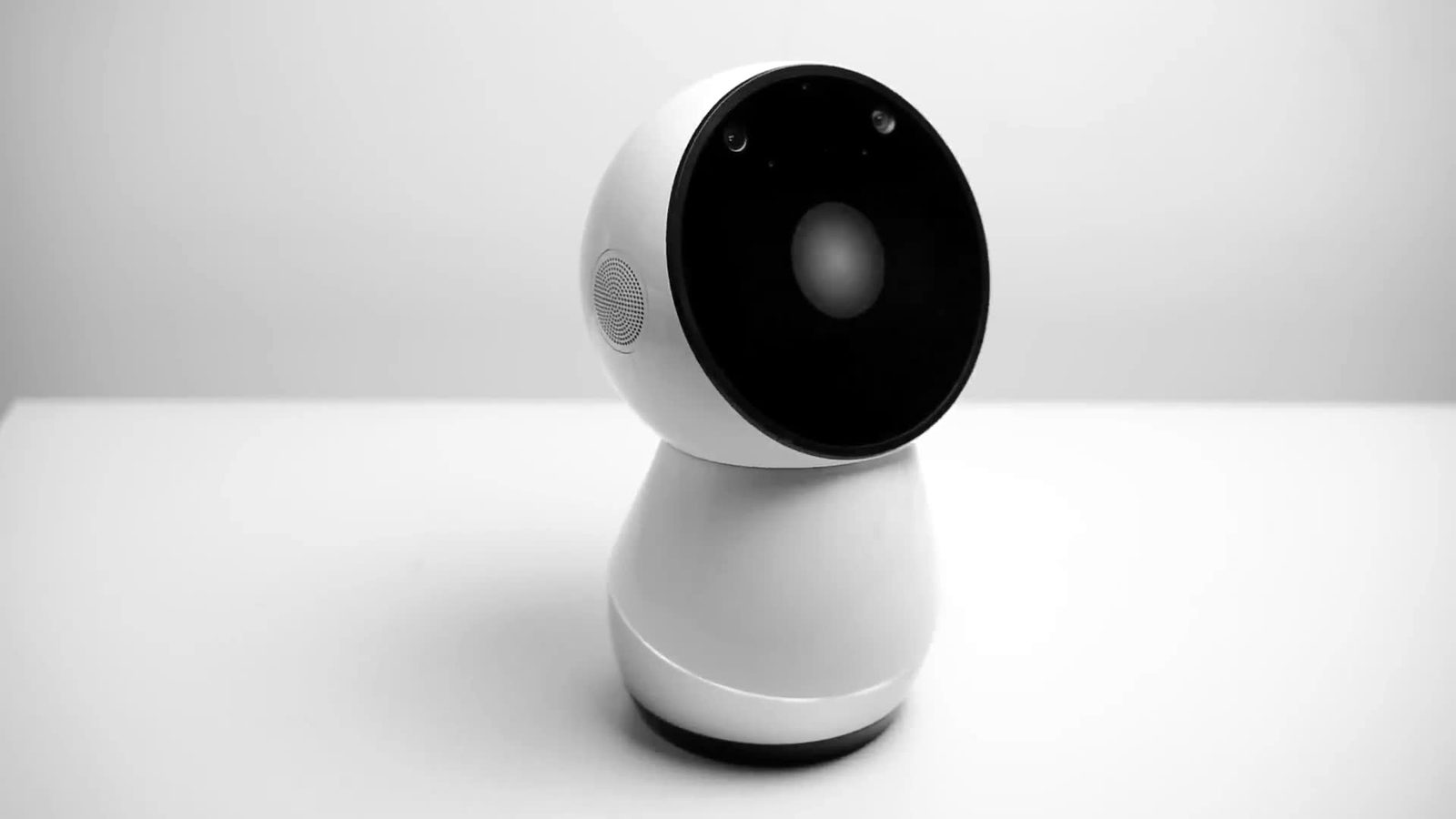
Todd carried the method through twenty years of work in rooms with no rules yet: human factors research for the FAA and the Air Force at MITRE, three startups, two of which opened new categories (industrial smart glasses in 2012 and the first social robot for the home in 2015), and almost a decade leading early concept discovery and validation at Bose, where he built the company's vision team from the ground up.
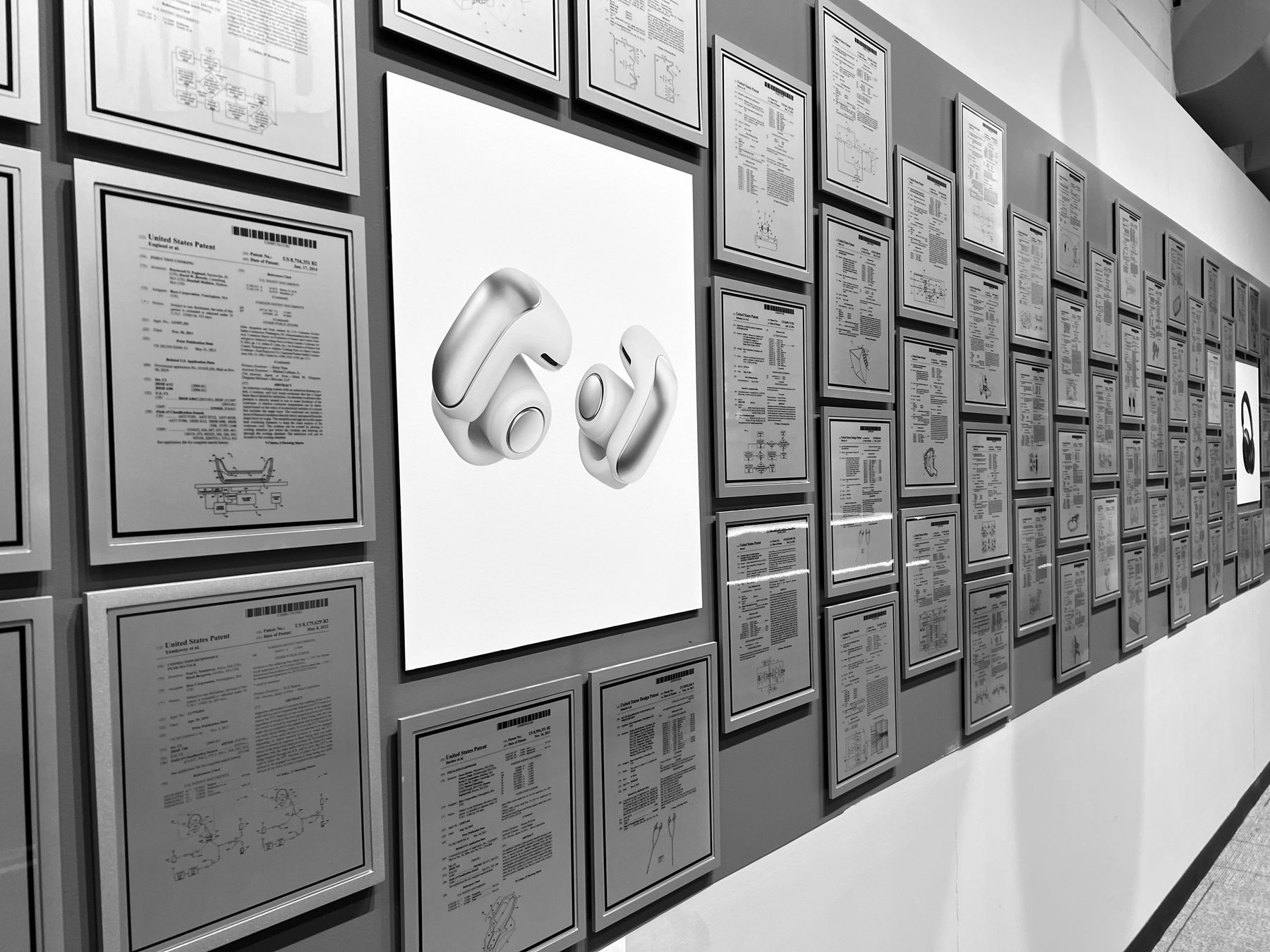
Teams using this approach have earned 26 patents and contributed to two TIME Best Inventions.
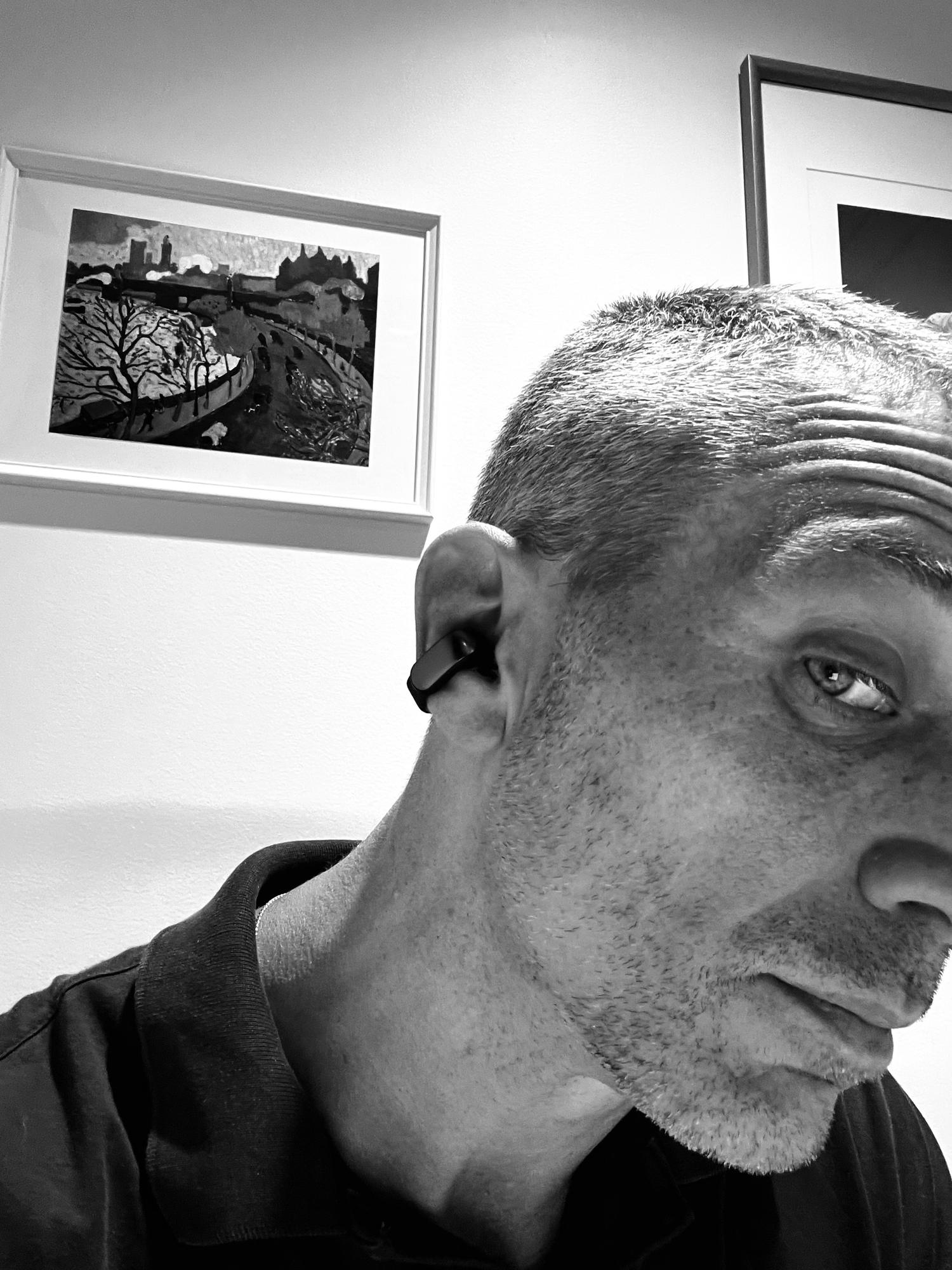
It's natural to grab the first safe answer.
Ambiguity is uncomfortable, and good teams are quick to end it. Someone proposes the reasonable thing, the heads nod, and the meeting ends on time. Todd's job is to keep the room open a little longer than feels comfortable, and to turn the disagreement that surfaces into something to test instead of something to settle.
One team spent most of a session arguing about what their customers would do with a new product. Half the room was certain. The other half was certain of the opposite, and both sides had slides. He stopped it. "You don't need to get aligned at all. That's the work. Let's go find out." The argument became the study, the study came back within the week, and nobody had to win.
This is the part of the work that does not fit on a process diagram, and it is why the same method produces different results in different hands. The stories are in the writing.
Three questions. Start with the one you're least sure about.
Every engagement answers one of them. Run all three in sequence and they take a bet from belief to a design, a price and a position that customers choose. Or enter at the one that is keeping you up.
Discovery
What do you believe?
The team's beliefs and assumptions go on the table, get rated, and the shakiest ones go out to be tested. Scenario planning and trend work show where the market and the culture are heading. Custom AI agents interview a hundred customers in the time it used to take to recruit ten.
Quick Test · 3 days, one question
Ideation
What could it be?
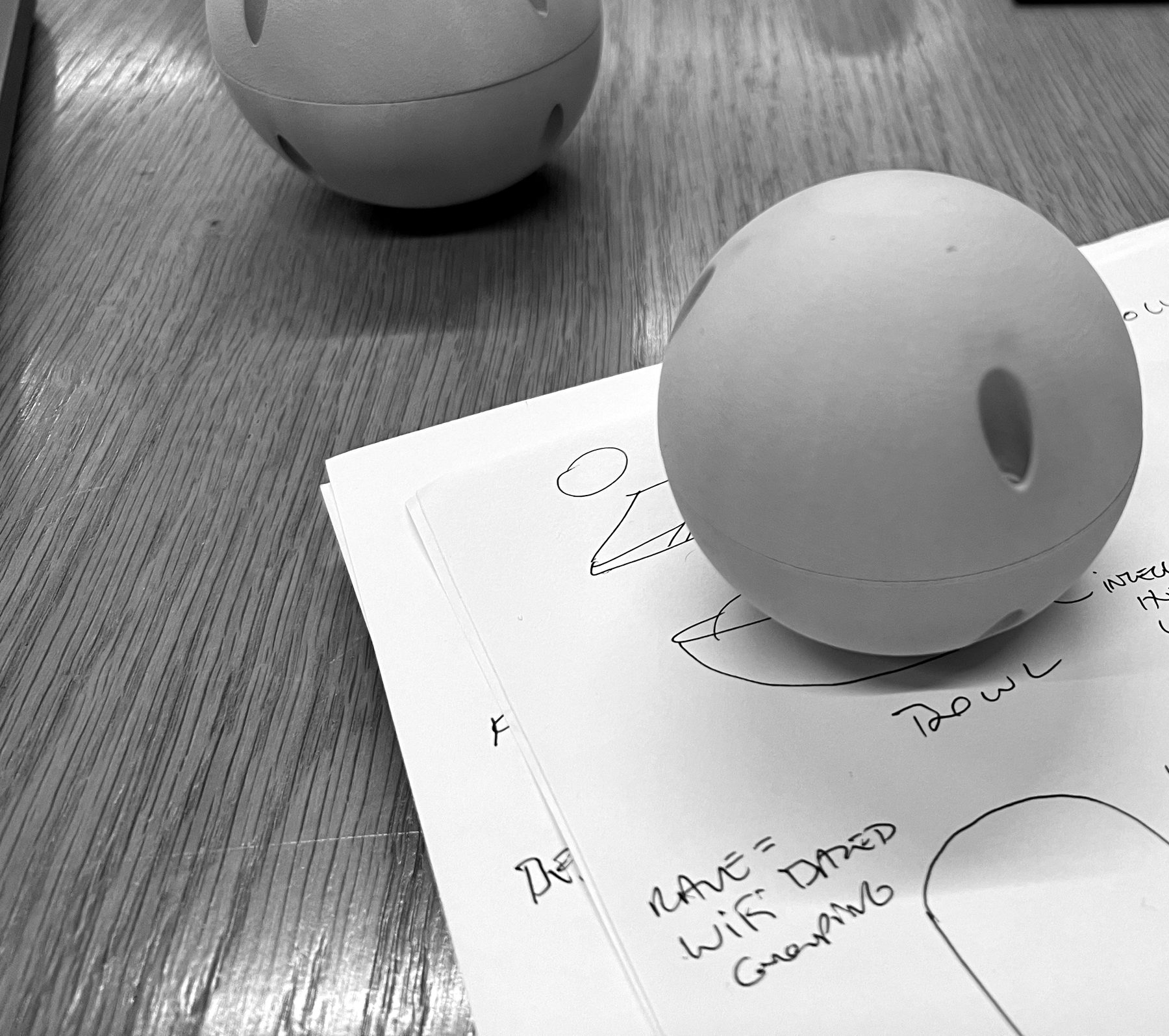
We map the opportunity space by strategies before anyone names a solution, bring experts from outside the discipline into the room, and keep it open long enough for the unexpected to show up. Then we build sacrificial concepts, six to twelve of them, and put them in front of customers to see the whole field before you pick.
Validation
What will it take?
A direction can test well as an idea and still miss on design, price or positioning. We test the version customers will actually meet: mock websites, simulated shopping journeys, short films of the product in use, and real-world social tests. The launch plan gets built on what people chose.
Partner · an ongoing seat on your team, with a sprint whenever a new bet comes up
The wheel beside this text is a ToByUsing map of smart wearables, built the same way. Open the full map
What it looks like when it works.
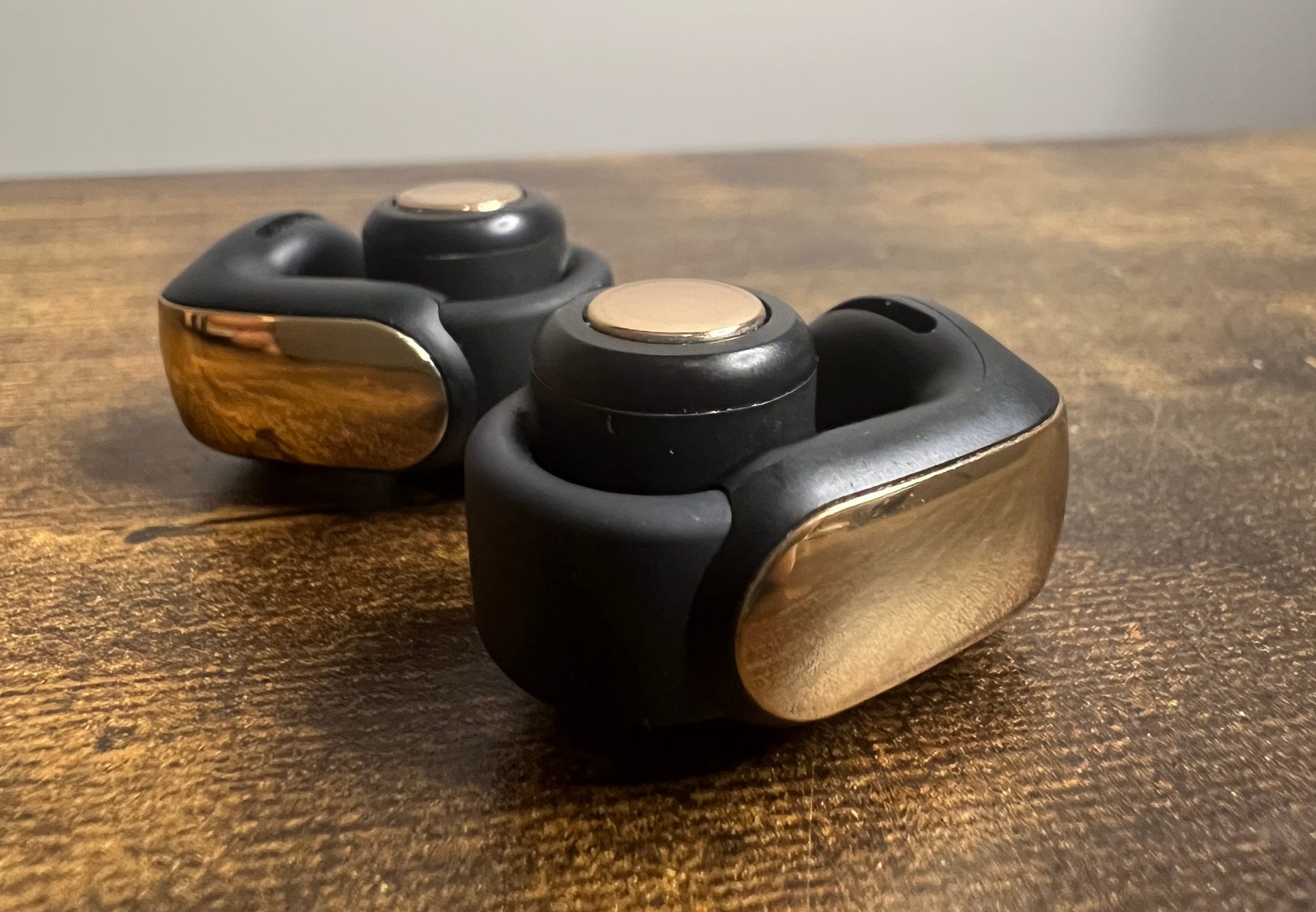
Bose Ultra Open Earbuds
In 2020 the Bose vision team asked a question the category wasn't asking: what would it take for people to keep earbuds on all day, with the world still audible around them? The outcome came first, the strategies next, and the open-ear form was one of the solutions the map produced. Four years of assumption, concept and validation work followed, in rounds, with the team building what it wanted to test.
The Ultra Open Earbuds launched in spring 2024. TIME named them a Best Invention, and the product helped create a multi-billion dollar open-ear category, the biggest growth category in the Bose portfolio. Todd led the vision team that set the ambition and proved the need. The earbuds themselves are the work of hundreds of people at Bose.
A first-of-its-kind home audio product
A home audio company, unnamed for now, came to RightThing with a product that had no category and a founder's conviction about who would want it. Five studies later, with thousands of customers heard through AI-moderated interviews and simulated shopping, the product has a different shape, a different price and a sharper reason to exist. The conviction survived. It now has evidence under it.
Stories of innovation.
A six-part series on how the innovation process is changing in the age of AI, first published with InnoLead, and the essay that started the argument. Each one comes from a room Todd was in. New pieces every other Tuesday.
- 01Stop Solving Today's ProblemsIf you want to build the future, anticipate the problems that do not exist yet.Read
- 02The Bobblehead EffectWhy your team's agreement is killing innovation, and the belief audit that fixes it.Read
- 03Why I Stopped Running BrainstormsWhat to do instead: ToByUsing, and the quiet time that makes it work.Read
- 04Why Your Team Picks Compromise IdeasStrengthening sessions, superlative voting, and sacrificial concepts.Read
- 05If You Can't Feel It, It Doesn't ExistStop explaining the future and build the ugly, fake version of it.Read
- 06The Collapse of the Double DiamondWhen building costs nothing, the process bends into a loop.Read
- +The Vibecoder's DilemmaThe search for human-machine symbiosis, by way of Licklider's fig tree.Read
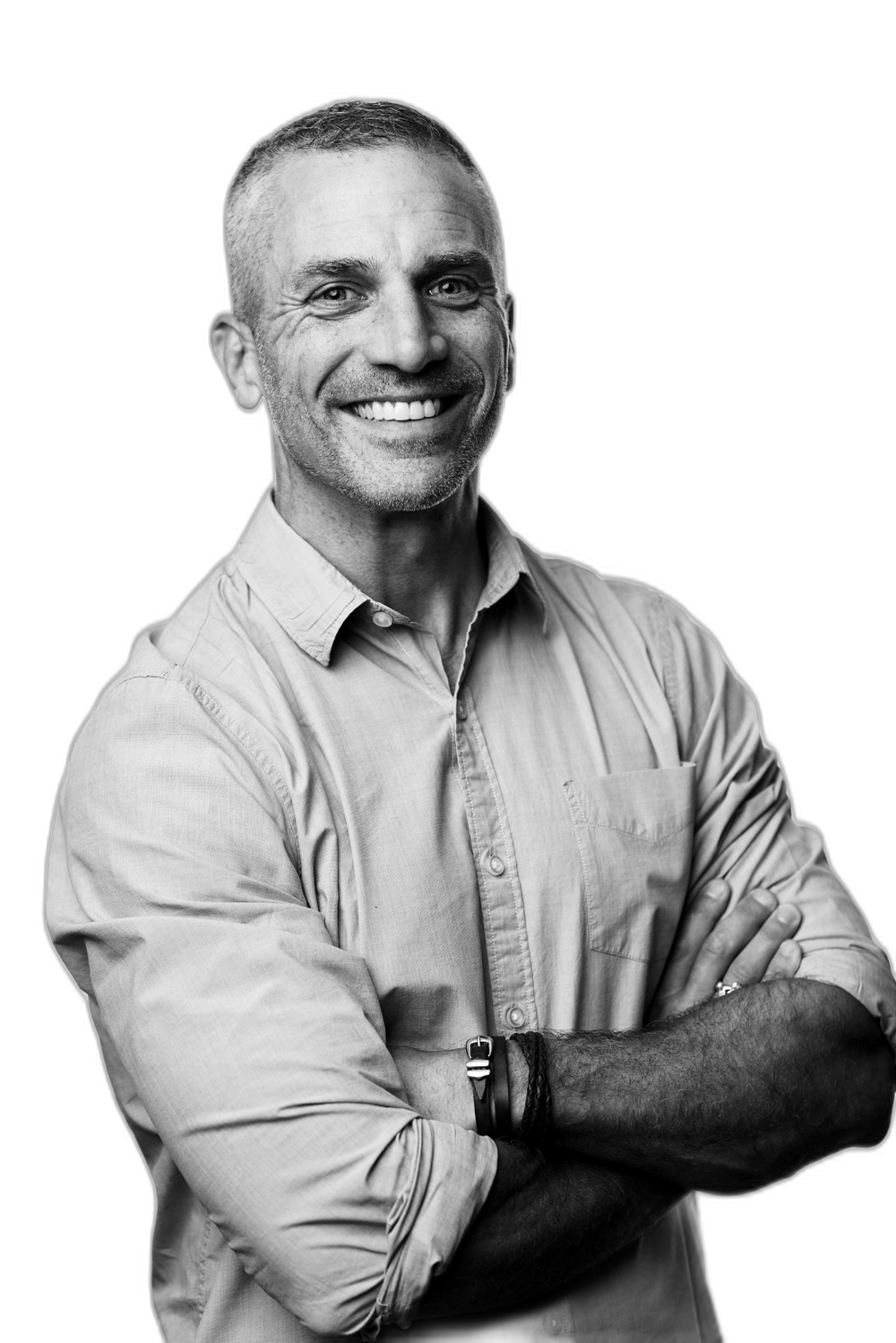
Todd Reily.
Todd founded RightThing in 2026 after almost a decade at Bose, where he built and led Visioneering, the company's vision and futures team, and directed the innovation process behind the Ultra Open Earbuds. Before that he led experience design and design research at Jibo and at the company behind Skylight, the first enterprise augmented reality platform, and ran human-centered research programs for the FAA and the US Air Force at MITRE.
He studied engineering psychology at Tufts and system design at MIT, and describes his approach as the combination of the two: human-centered innovation, held together by systems thinking. He holds 26 patents, most of them in interaction design for audio and augmented reality, and contributed to two TIME Best Inventions. He currently serves as a fractional leader for a small portfolio of companies in audio and wearables, and works from outside Boston.
Where do you want to start?
Most teams start with the bet they're least sure about. In a 30-minute call we pick the question and the sprint that fits it. Start anywhere on the arc, or run the whole thing.